Discover The Art Of Film Printing: Your Complete Guide To Stunning Imagery

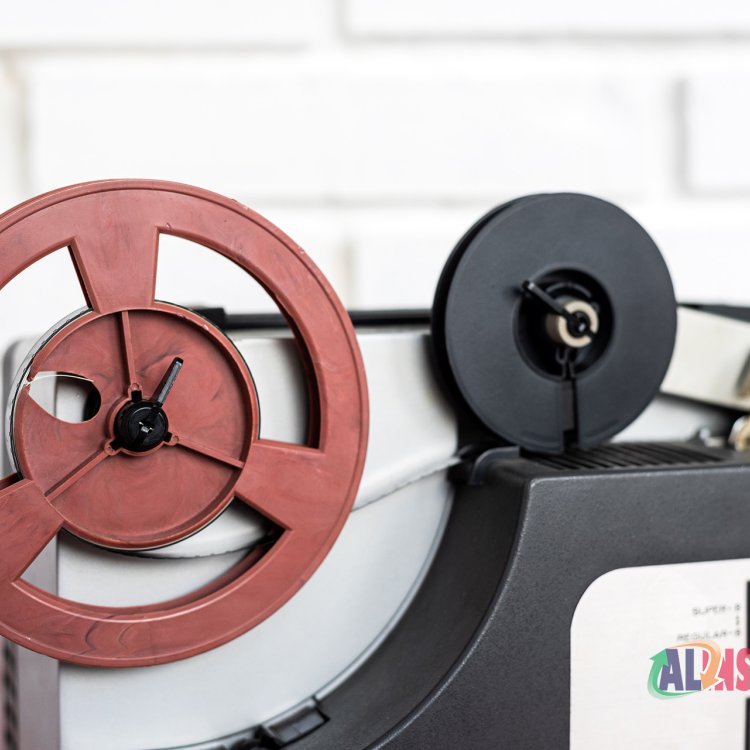
Welcome to the world of film printing, where creativity knows no bounds and every frame tells a unique story. In this guide, we'll delve deep into the art and science of film printing, uncovering techniques, tips, and insider secrets to help you master this captivating medium. Whether you're a seasoned photographer looking to enhance your prints or a novice eager to explore the magic of film, this article is your go-to resource for all things film printing.
History of Film Printing
The history of film printing dates back to the early days of photography in the 19th century. In its nascent stages, photography relied heavily on chemical processes and manual labor. Prints were produced from negatives using various techniques, including contact printing.
Evolution of Film Printing Technology:
Over time, advancements in technology revolutionized film printing. The introduction of enlargers, photo papers, and darkroom equipment enhanced the efficiency and quality of prints. The transition from analog to digital processes further refined the art of film printing, offering greater precision and flexibility.
Process of Film Printing
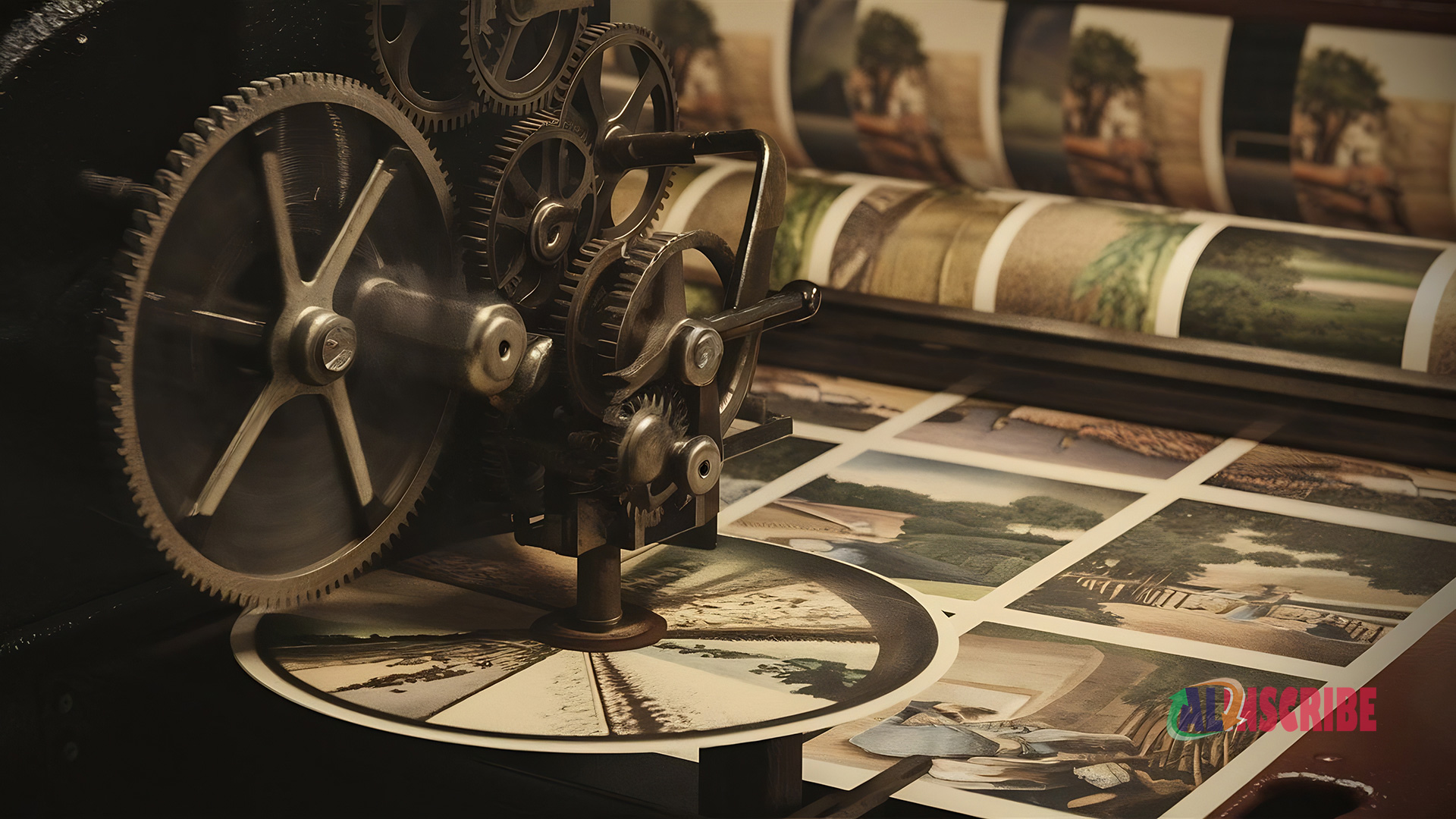
Film printing involves several intricate steps to transform captured images into tangible prints. The three steps of film printing process are discussed below.
- Preparation of Film: The process begins with selecting the desired negatives and preparing them for printing. This involves inspecting the negatives for any flaws or imperfections and ensuring proper alignment within the enlarger.
- Exposure: Once the negatives are ready, they are placed in an enlarger, where light is projected through the negatives onto photosensitive paper. The duration and intensity of exposure determine the overall brightness and contrast of the final print.
- Developing: After exposure, the photosensitive paper undergoes development in a series of chemical baths. This process brings out the latent image captured during exposure, rendering it visible on the paper. The developed prints are then fixed, washed, and dried to preserve their longevity and quality. The final prints are ready for display or further processing.
Types of Film Printing
Film printing encompasses various techniques, catering to different aesthetic preferences and technical requirements.
- Black and White Film Printing: Black and white film printing remains a classic choice for photographers seeking timeless elegance and artistic expression. The monochromatic nature of black and white prints lends a sense of nostalgia and depth to the images.
- Color Film Printing: Color film printing allows photographers to capture the vibrancy and diversity of the world around them. Through careful color management and processing techniques, color prints showcase the richness and subtlety of hues in a visual composition.
Film Printing Techniques
Film printing techniques encompass a range of methods for transferring images captured on film onto paper or other print media. From traditional darkroom processes to modern digital printing, each technique offers its own unique advantages and challenges.
Exploring Darkroom Printing
Darkroom printing, also known as traditional or analog printing, is the oldest method of creating prints from film. It involves enlarging a negative onto photosensitive paper using an enlarger, then developing the print in a series of chemical baths.
Embracing Digital Printing
In recent years, digital printing has revolutionized the world of film printing, offering photographers unprecedented control and flexibility in the printing process. Digital printers use advanced technology to reproduce images from digital files with remarkable accuracy and detail.
Understanding Color Management
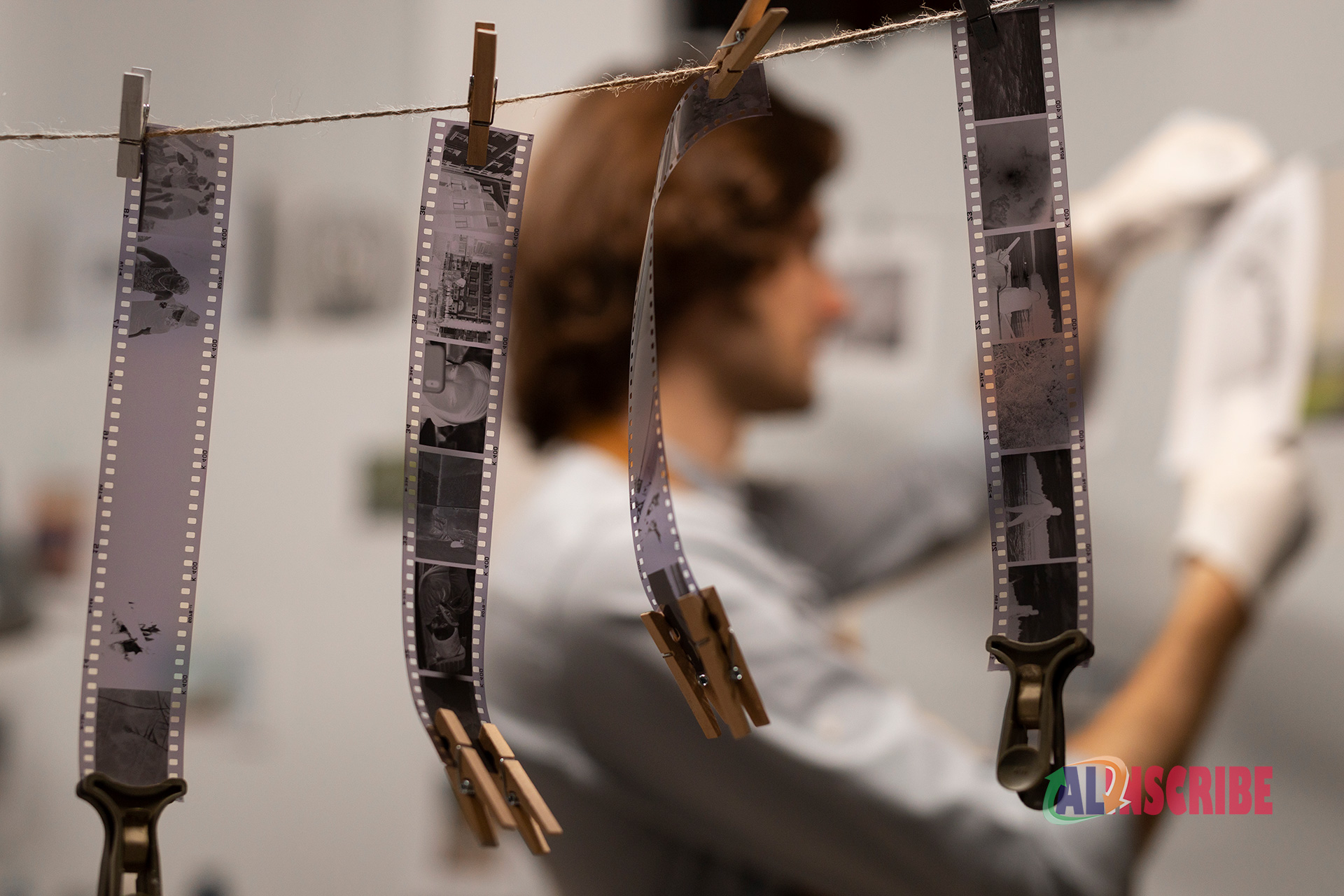
Color management plays a crucial role in film printing, ensuring that the colors in your prints closely match the original image. By calibrating your monitor, printer, and other devices, you can achieve consistent and accurate color reproduction across all your prints.
Maximizing Print Quality
Achieving optimal print quality requires attention to detail at every stage of the printing process, from image capture to final output. By selecting the right paper, adjusting exposure settings, and fine-tuning print settings, you can enhance the clarity, sharpness, and vibrancy of your prints.
Choosing the Right Paper
The choice of paper can significantly impact the look and feel of your prints, with options ranging from glossy and matte to textured and fine art papers. Experimenting with different paper types can help you achieve the perfect aesthetic for your images.
Mastering Print Editing Software
Print editing software, such as Adobe Photoshop and Lightroom, empowers photographers to fine-tune their images for optimal print quality. From adjusting exposure and contrast to correcting color casts and enhancing sharpness, these tools offer endless possibilities for creative expression.
Ensuring Longevity and Archivability
Preserving the longevity and archivability of your prints is essential for ensuring that they withstand the test of time. By choosing archival-quality materials, employing proper storage techniques, and avoiding exposure to harmful environmental factors, you can safeguard your prints for future generations.
Exploring Alternative Printing Processes
In addition to traditional darkroom and digital printing techniques, there are a variety of alternative processes that offer unique and artistic ways to create prints from film. From cyanotypes and platinum prints to photogravure and lithography, these processes offer endless opportunities for creative experimentation.
Film Printing FAQs
How does film printing differ from digital printing?
Film printing involves transferring images captured on film onto paper or other print media using either traditional darkroom processes or digital printing technology. Digital printing, on the other hand, involves reproducing digital images directly onto paper using a digital printer.
What are the advantages of darkroom printing?
Darkroom printing offers a hands-on approach to creating prints, allowing photographers to exercise precise control over every aspect of the printing process. It also provides a tangible connection to the roots of photography and can yield unique aesthetic results.
Is digital printing suitable for all types of images?
Digital printing is highly versatile and can produce exceptional results for a wide range of images, from vibrant landscapes to intricate portraits. However, certain types of images, such as those with extreme highlights or shadows, may require special attention to achieve optimal print quality.
How can I ensure accurate color reproduction in my prints?
Accurate color reproduction depends on factors such as monitor calibration, printer profiling, and proper color management techniques. By calibrating your devices and using color-managed workflows, you can ensure that the colors in your prints closely match the original image.
Conclusion:
Film printing is a timeless art form that continues to captivate photographers and enthusiasts alike with its rich history, creative possibilities, and unparalleled beauty. Whether you're drawn to the tactile experience of darkroom printing or the precision of digital technology, mastering the craft of film printing requires dedication, experimentation, and a keen eye for detail. By embracing the techniques, tips, and insights shared in this guide, you'll embark on a journey of discovery and creativity that will elevate your prints to new heights of excellence.
Article Comments
Articles Search
Sponsor
Featured Articles






Most Popular Articles








Article Categories


There are zero sub-categories in this parent category.
There are zero sub-categories in this parent category.


